
Some homes suffer from condensation and damp which can lead to mould. Mould is usually found in places where there is poor air flow and cold spots.
Your safety is our number one priority and Hedyn is committed to working with all of its residents to ensure that your home is safe, warm and comfortable at all times
Damp is usually caused by condensation in places with little air movement that can’t dry out. This is often because of poor ventilation, or it can sometimes be caused by building defects or leaking pipes.
Mould appears as sooty black speckles that can cluster in dark damp patches on ceilings, walls, furniture, carpets or possessions. Mould spores carry a musty smell often associated with a damp house.
It can become a serious problem if it’s left untreated.
There are lots of reasons why a home can be damp, but the most common cause is condensation.
Condensation happens when warm air cools and droplets of water meet cool surfaces. This can include walls, windows or tiles. This is why condensation is more likely to happen during the colder months.
It’s normal to experience condensation in your home at some point.
You’ll usually see it on your walls or windows when there’s lots of moisture in the air or when you’re producing lots of steam.
Condensation can lead to damp which can cause black mould on walls and furniture, as well as mildew on clothes, curtains and fabrics. It can even damage wallpaper and plasterwork.
There are three main causes of condensation:
- Too much moisture in your home, often created by steam from cooking, showering or bathing.
- Not enough ventilation for air to move around.
- Your home is too cold.
How to treat mould
If you get mould in your home, here are some tips to deal with it and prevent it:
- Don’t brush or vacuum it as it will release mould spores into your home.
- Use a mould treatment (fungicide) that has a Health and Safety Executive approved number and follow the manufacturer’s instructions precisely.
- Don’t try to remove it without using a treatment product as it may cause the problem to get worse.
- After treatment, redecorate using a mould-resistant paint or wallpaper paste to help prevent the mould returning. These are available from most DIY shops.
- Shampoo or wash any carpets, clothes or furniture that have been affected.
- Remove the cause of the damp. For example, if condensation or damp was caused by a leak, dry out the affected area thoroughly.
How to avoid damp, mould and condensation
There are four things you can do:
Some everyday activities can produce a lot of moisture quickly in your home. By doing the following, you can minimise this moisture:
- If you have an extractor fan, use it – this is very important.
- Wipe down your windows, windowsills and walls regularly.
- Open a window or trickle vent for at least 20 minutes after showering, bathing or cooking.
- If you can, dry your clothes outdoors.
- If you dry your clothes indoors, open a window, if practical.
- Keep a lid on saucepans as you cook.
- When bathing, run the cold water first to reduce condensation rising. (Let us know if your extractor fan doesn’t work.)

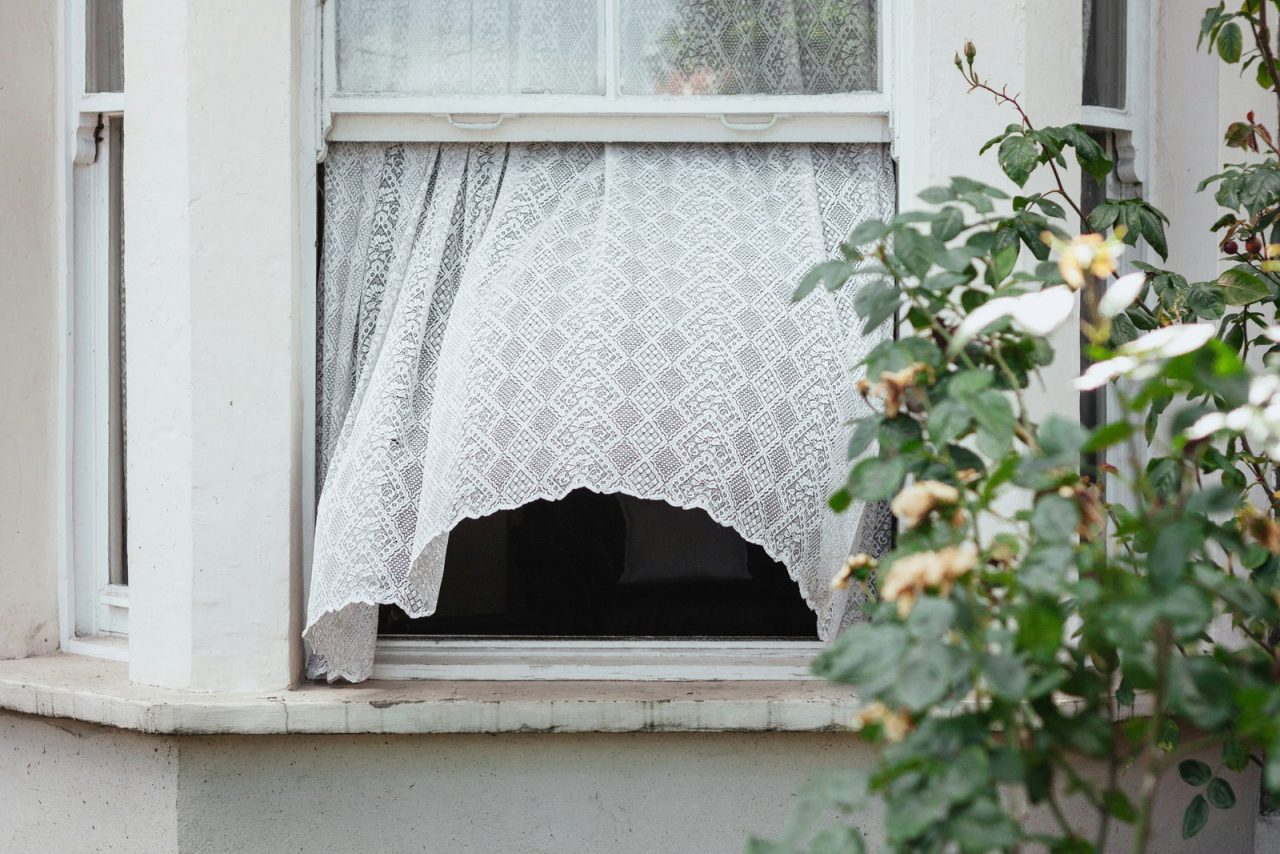
- Keep all vents, trickle vents and air bricks open and clear.
- Close doors when you’re cooking, washing clothes, bathing and showering.
- Open a window for a short period of the time each day.
- If you use a tumble dryer, make sure it’s vented to an outside wall.
- Leave a gap between your furniture and external walls to help air to circulate.
- Ventilate cupboards, wardrobes and drawers and avoid overfilling them.
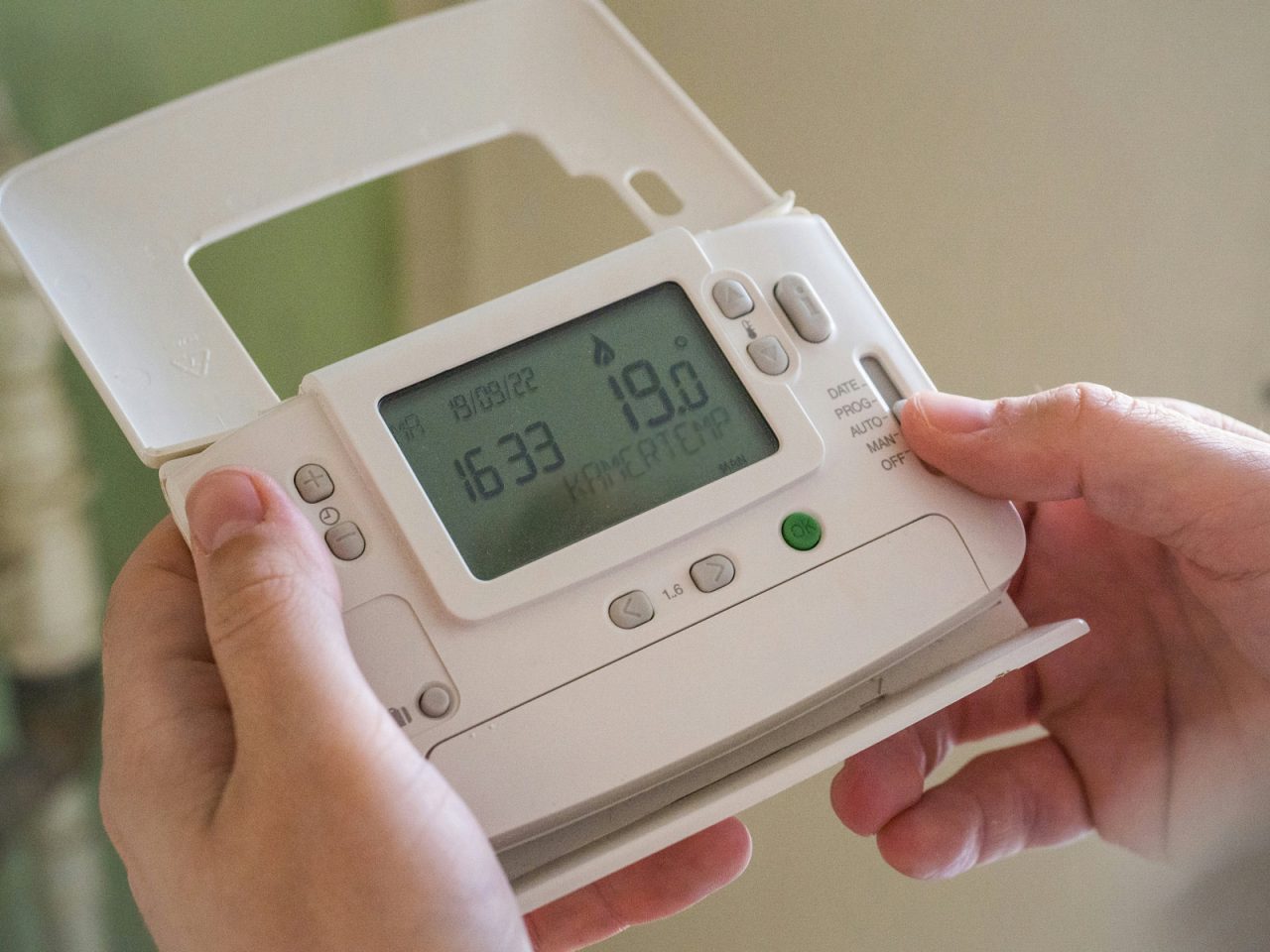
- Set your thermostat at a steady temperature above 16 degrees for all rooms. This will reduce condensation forming on external walls.
- Consider rearranging your room. Sometimes furniture, such as a sofas, can take all the heat from a radiator.
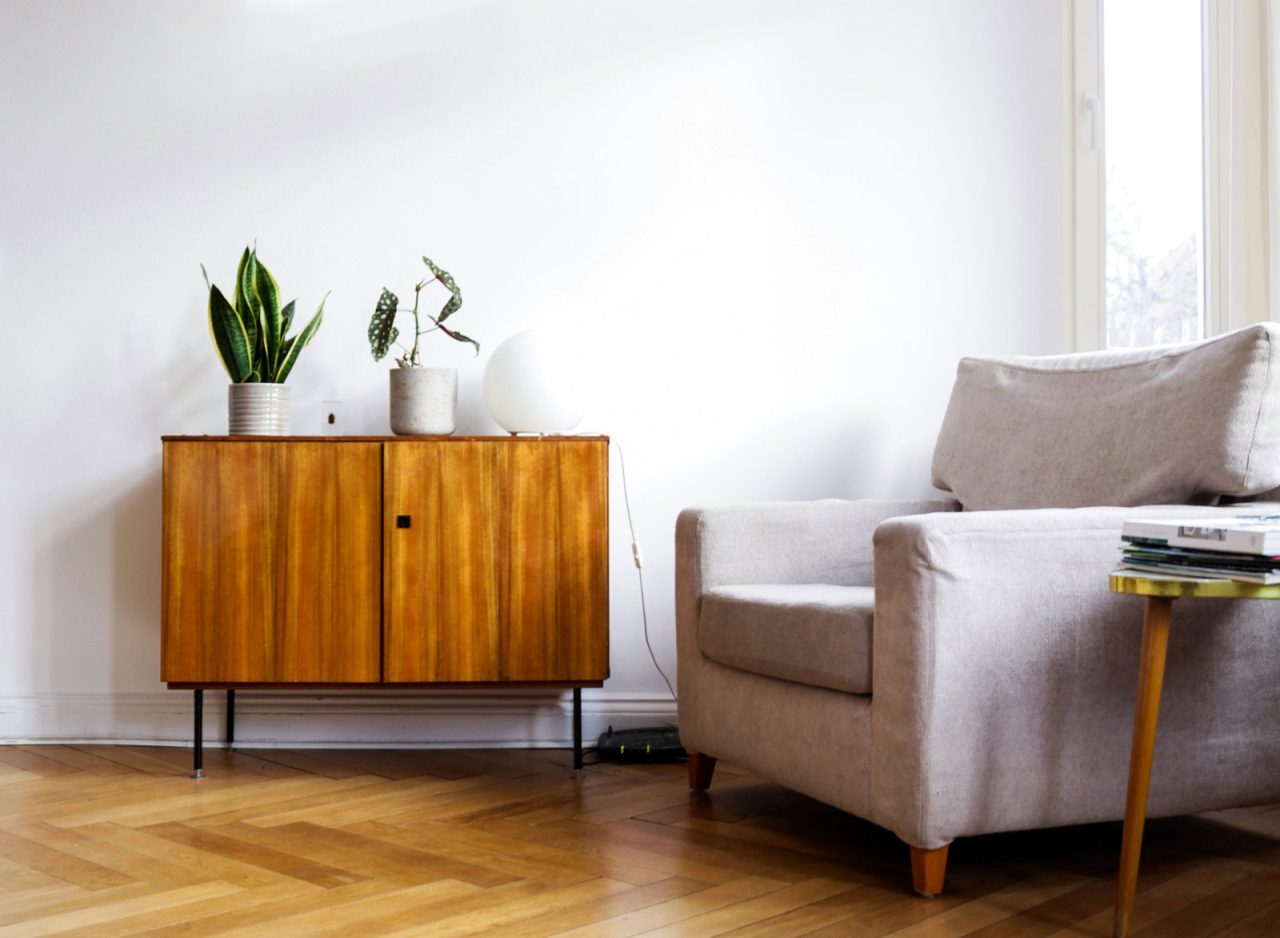
Consider where you place your furniture.
- Avoid positioning furniture directly against walls, especially external ones, as this can trap moisture and create the perfect environment for mould to grow.
- Leave a gap of at least 5–10cm between furniture and walls to allow air to circulate freely.
- Avoid placing furniture in front of vents, radiators, or windows, as blocking airflow can contribute to increased humidity.
- Keep wardrobes and cupboards well-ventilated, and never overfill them, as this can restrict air circulation and encourage dampness.

Report a damp and mould issue
To help us address your issue, please provide as much information as possible, like the location, the type of problem, and how long it’s been going on for. If you can send us a picture, please do so.
Contact Hedyn hello@hedyn.wales 0300 1212 345 WhatsApp
Book a repair
Read our guidance on repairs, including what we can help with and the best ways to book a repair with us.
Find out more