
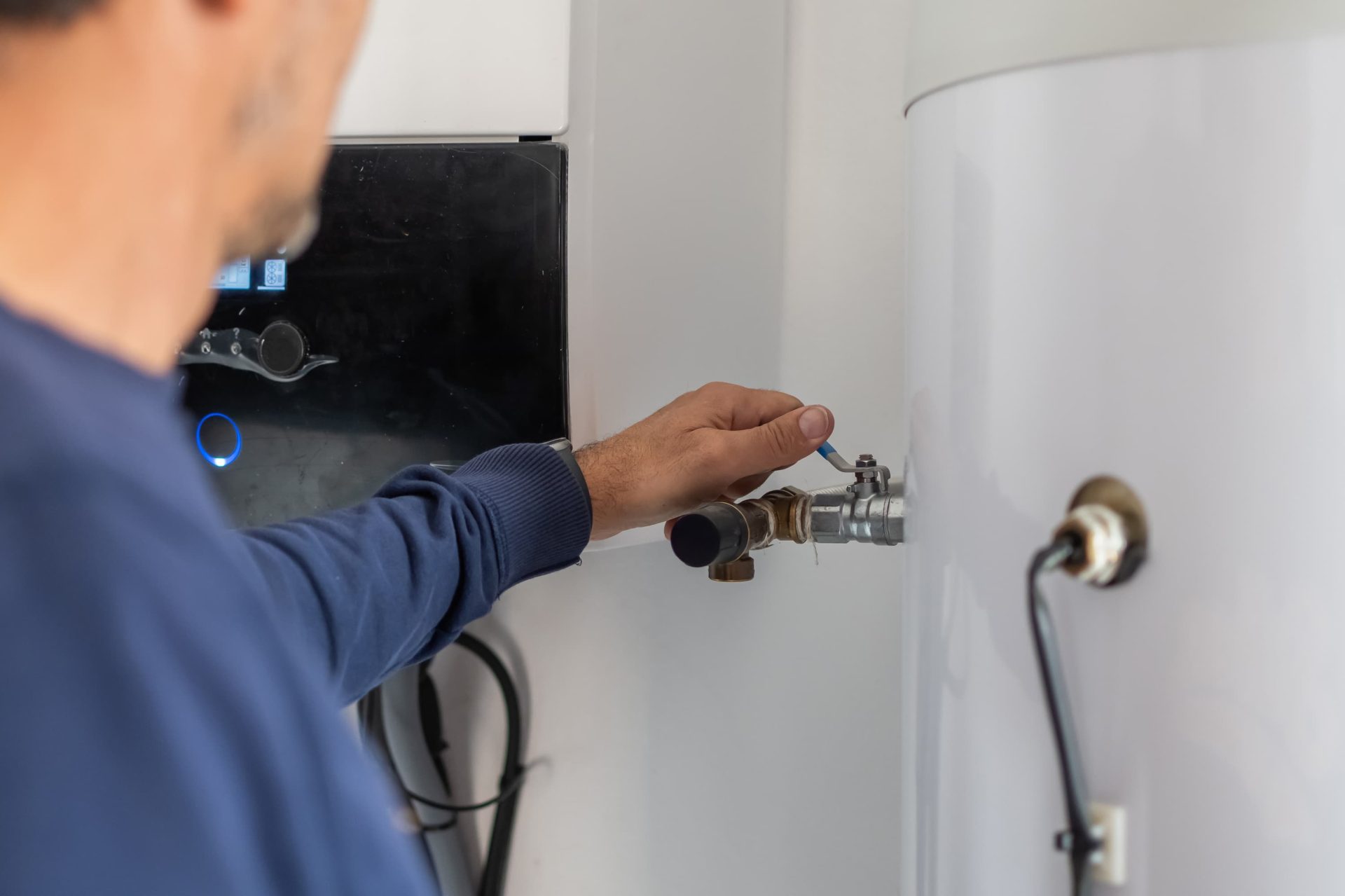
Your safety is our priority, and we’re committed to making sure your home meets all health and safety requirements and remains a safe space for you and your family.
Everyone deserves to live in a safe, warm and healthy home. Problems such as faulty electrics, a lack of heating or damp and mould can affect your health, safety and comfort at home.
If left untreated, they can have a serious impact on health, particularly for young children, older people and those with existing health conditions.
Managing safety in your home
We use a national safety standard to identify risks in homes, called the Housing Health and Safety Rating System (HHSRS). This helps us decide how serious a problem is and what action is needed to keep residents safe.
If you live in a Hedyn home and are concerned about a health and safety issue, please contact us to report it to us as soon as possible. We’ll investigate your concern and arrange any necessary repairs or further inspections. In line with the HHSRS we must meet strict timescales for dealing with serious hazards, including emergency risks and severe damp and mould.
Fire safety
Fire safety is everyone’s responsibility. Knowing what to do in an emergency can help keep you, your family and your neighbours safe.
If there is a fire in your home, leave the property immediately, close doors behind you if possible and call 999 when you are safe. When you move in it’s a good idea to plan an escape route and make sure everyone in your household knows how to get out quickly.
If you live in a block of flats, the advice you follow will depend on the fire safety arrangements for your building. In many blocks, a ‘stay put’ policy applies. This means if the fire is in your flat, you should leave immediately, close your front door behind you and call 999. If the fire is elsewhere in the building and you’re not in immediate danger, you may be safest remaining in your flat until the fire service advises otherwise. Never use a lift during a fire.
Smoke alarms
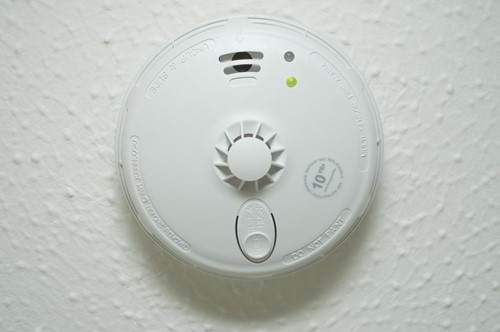
Smoke alarms save lives. Your home should have at least one smoke alarm on every floor. We check and service alarms during our annual safety visits, and it’s important that you let us into your home for these checks.
You should test your alarms every week by pressing the test button and keep them free from dust. Never paint over an alarm or remove the backup battery.
If your smoke alarm is not working, or you have any fire safety concerns, please contact us.
Contact usGas safety checks
We are legally required to carry out a gas safety check every 12 months.
This helps to keep you, your family and neighbours safe and ensures your appliances are working efficiently.
We’ll get in touch when yours is due, you can then arrange an appointment for us to come out and check it all over for free. It is important to keep your appointment with us as it helps keep you and your family safe.
If for any reason you need to rearrange the appointment you booked with us, please give us as much notice as possible, as your gas safety certificate is only valid for 12 months from the date of your last gas safety check.
When we have completed your gas safety check we will either email or post your certificate.
Please do not tamper with the gas pipes in your home, report any issues to us.
If you can smell gas:
- please call the National Gas Emergency Helpline on 0800 111 999
- open windows and doors and leave the property
- get advice from the National Gas website
Get to know your boiler
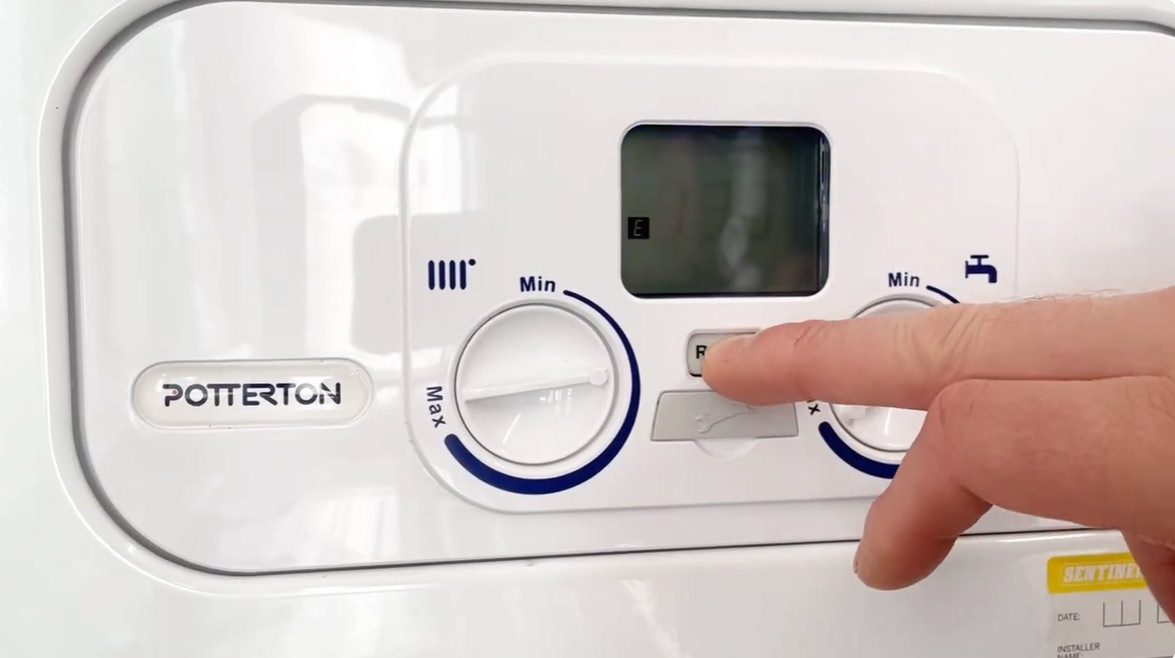
The boiler is an important part of your home for providing you with heating and/or hot water. It’s helpful to know how it works, so you can make sure it’s in good working order.
Carbon monoxide safety
Carbon monoxide is a poisonous gas that you can’t see, smell or taste. It can be produced when gas, oil, coal or wood-burning appliances aren’t working properly.
Common sources of carbon monoxide include:
- gas boilers
- gas cookers
- gas fires
- wood burners and coal fires
Carbon monoxide alarms
To help keep you safe, carbon monoxide alarms are installed in our homes where they’re needed.
If your carbon monoxide alarm sounds:
- open doors and windows to let fresh air in
- leave the property straight away
- call the National Gas Emergency Service on 0800 111 999
- contact us as soon as it’s safe to do so
It’s important that you let us in for your annual gas safety check. During the visit, we’ll inspect your gas appliances and make sure your carbon monoxide alarm is working correctly.
Staying safe at home
Never block or cover air vents in your home. Ventilation is essential for gas and solid fuel appliances to work safely.
To reduce the risk of carbon monoxide, please do not use:
- portable LPG bottled gas heaters
- barbecues indoors
- shisha pipes indoors
- coal or charcoal burners used to heat fragrance oils
These items can be dangerous and may produce carbon monoxide.
If you have any concerns about a gas appliance or carbon monoxide alarm, please contact us straight away.
Electrical safety checks
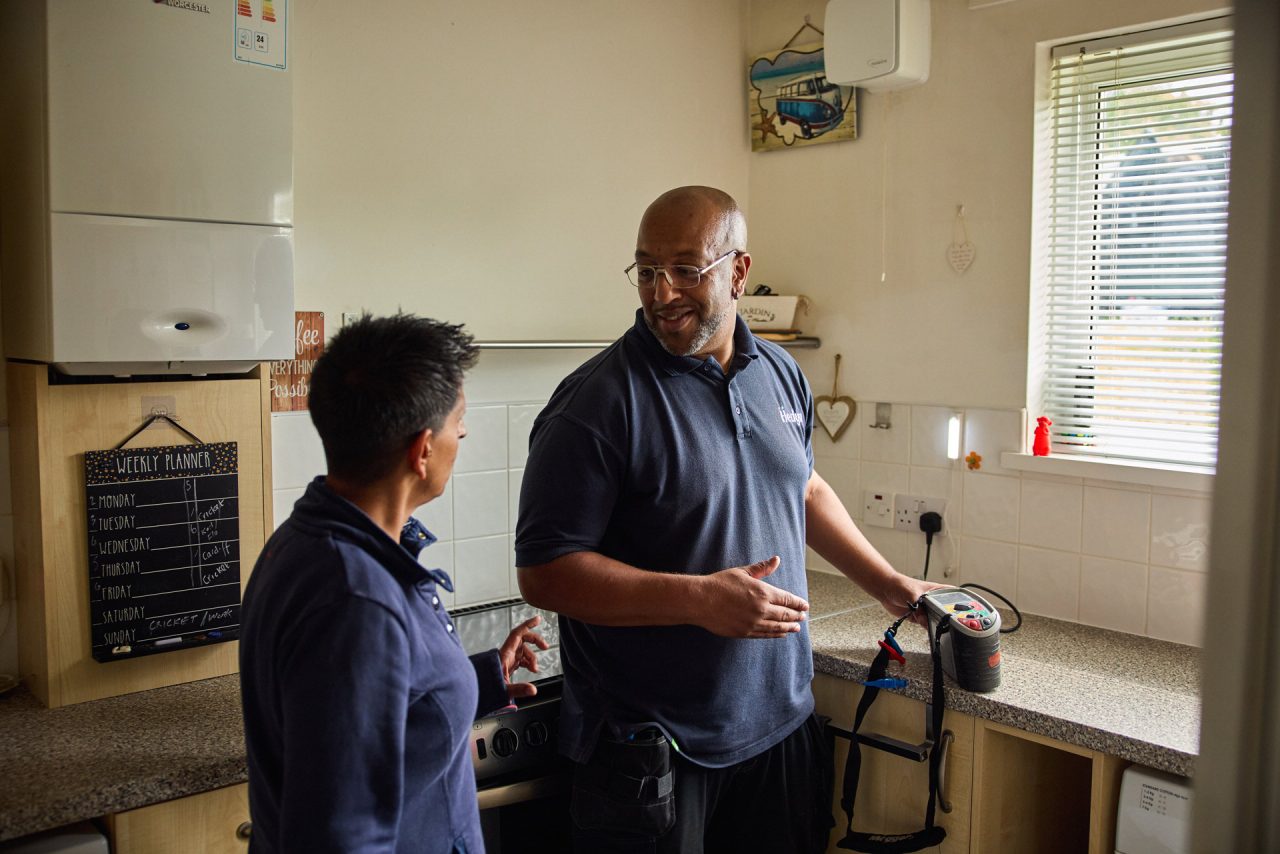
We want you to feel safe in your home, that’s why we carry out regular electrical safety checks.
As part of our commitment to keeping you safe, we arrange an Electrical Installation Condition Report every five years. These checks help us identify any electrical problems that need repairing to keep your home safe.
The inspection usually takes between two and four hours. During the visit, we’ll check wiring, sockets, switches and other electrical equipment throughout your home. If we find any faults or damaged fittings, we’ll arrange for them to be repaired or replaced.
We’ll also check that your smoke alarms are fitted and working correctly.
When your electrical safety check is due, we’ll contact you to arrange an appointment. It’s important that you let us into your home, so we can carry out these essential safety checks. If you need to rearrange, please let us know as soon as possible.
We also regularly inspect and test electrical equipment in communal areas to help keep our buildings safe and well maintained.
Please do not carry out any electrical work yourself. If you notice damaged sockets, exposed wiring or have any concerns about the electrics in your home, contact us straight away.
Asbestos advice
Some of our homes may contain asbestos, but this is usually not a cause for concern. Asbestos is safe when it is in good condition and left undisturbed.
Get advice about how to live safely with asbestos in your home.